Give More Than We Get: What Mentorship Means at the Pava Center
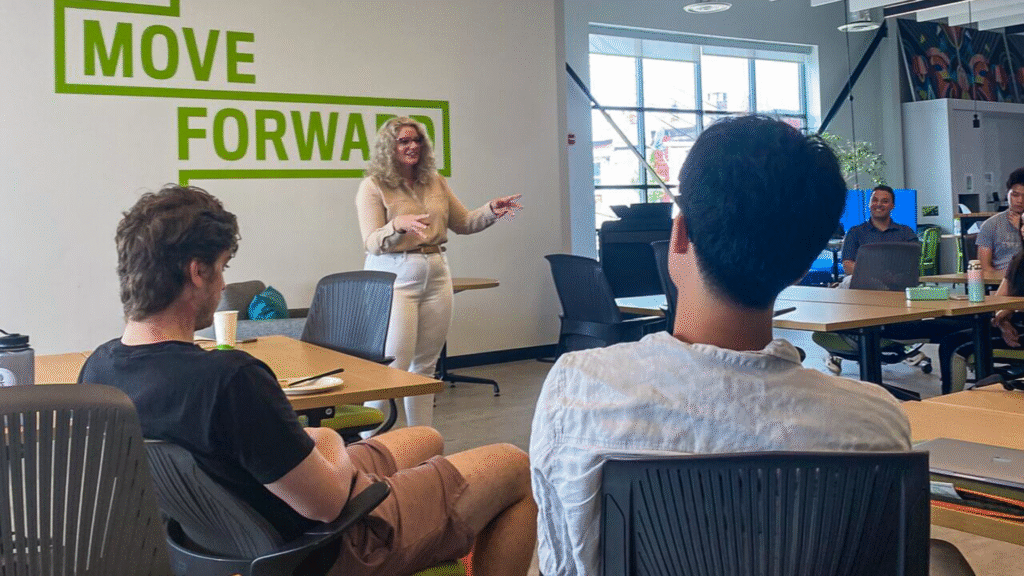
Some lessons can’t be taught in a textbook or in a class; they have to be learned the hard way, through tough experiences and challenges overcome. At the Pava Center, mentors provide opportunities for students to engage in lessons drawn from the mentor’s lived experience, offer advice that can change the student team’s trajectory, or simply provide empathetic support to encourage students to keep going. We sat down with alumni Margaret Roth, graduating class of 2011, now Principal at Squadra Ventures, to learn why she gives back at the Pava Center.
What initially motivated you to become a mentor with the Pava Center, and what made this community the right place for you to give back?
I first got involved with JHU’s entrepreneurship programs as a recent graduate in 2013. This was a time when entrepreneurship wasn’t yet cool; it wasn’t a thing that you could go study or take classes in. It was more like something you got in the energy of, and it swept you up; it was very grassroots. And like many things at Hopkins, it started with a few students just deciding to start something and a few key faculty and staff members taking note to support and see what might happen.
From dinners hosted at the Hopkins Club connecting students with young alumni entrepreneurs, to unendorsed pitch competitions run by chat-group-turned-student-club TCO Labs, to one-off seminars when niche-famous venture capitalist alumni came through town, these early convenings became collisions became contagious.
By 2018, when FastForward U launched officially, the energy and desire and demand was undeniable. The student community and beyond were ready to have a home base.
It didn’t happen overnight. FFU was built with an entrepreneurial mindset itself. Test, pilot, iterate, customer feedback, fundraising, demand signals, innovate, change, fail, build. And I believe that process of living and building through the same principles it teaches over these last 10 years is what makes the Pava Center so impactful today.
Being a part of its (FFU) beginnings as it started to take shape, right alongside my own entrepreneurial journey, really put things in perspective from the get-go.
I believe it’s the right thing to do to share knowledge as soon as you have it, so as I learned with my company, I shared it back as fast as I could.
From your perspective, what role does mentorship play in helping early-stage founders move from idea to execution?
The rate at which you have to take in information, learn on the fly, and make decisions is relentless, and one detour down a wrong path from bad advice is not only a time-waster but can be demoralizing. There are so many questions you have to answer that you never had to answer before.
Especially for student entrepreneurs, who have not yet had experience beyond the classroom or the lab, mentors play not only a huge support role but a role of acceleration. Being a person they can talk to, who is familiar with but not in the day-to-day chaos of their team, that can offer perspective and push against their assumptions, is extremely valuable and very rewarding.
As a mentor, if you can help founders evade a mistake, get out of their own way, and stay focused, you have the opportunity to accelerate their success.
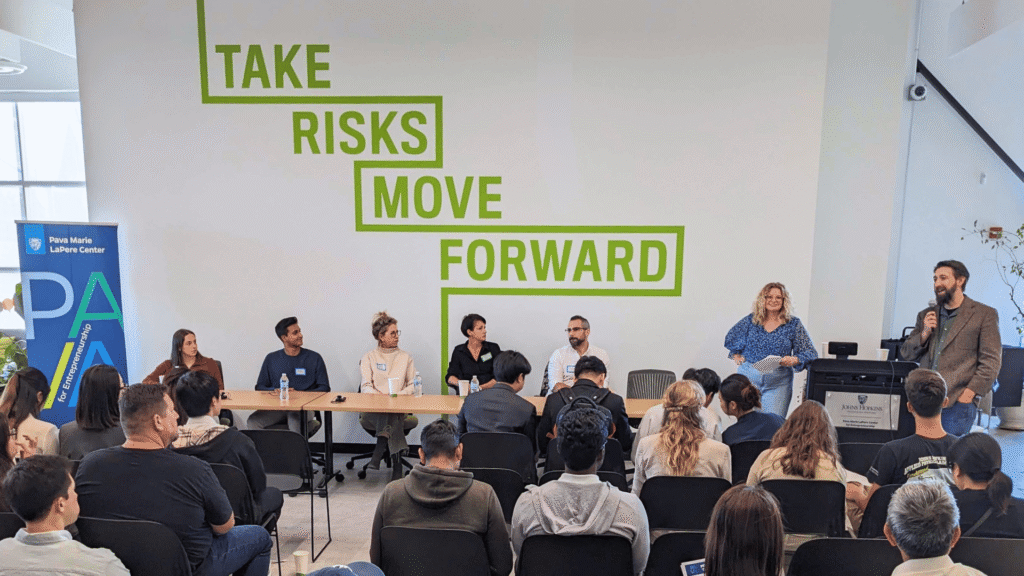
Can you share a memorable interaction or moment with a founder that illustrates why mentorship matters?
About halfway through the pandemic, when the investment landscape was fluctuating just as unpredictably as the latest COVID strain, a cry for help arrived in my inbox.
The line that stood out was my own — “The first time we met at the TCO event at JHU, I remember you describing startup life as ‘there was a point where I cried at my desk for two weeks straight’ — that pretty much sums it up.”
I could never forget that feeling, the struggle, the bottom.
That message was from Pava LePere, CEO of Ecomap, and the founder whose name the center now bares.
We got together for coffee a few days later, it was clear she wasn’t sleeping, she had hit the fundraising wall. She was at the bottom.
The metrics were good, the story was a mess. The opportunity was lost in translation; the message wasn’t getting through. We needed to rebuild the pitch deck.
Pava and her cofounder came over to Squadra’s office at the coworking space the next day to rip apart what they had and start over on paper. No slides, no computer, start from scratch.
We worked on it all day. There was no secret; the answer was in them. But sometimes you need someone else, who’s been there before, to just tell you what to do, and then stand there and make you do it.
They found the message they’d been missing, and a few months later, they got that round done. And they got to keep going.
True mentorship is helping someone find the way themselves, guiding them with accountability to where they need to go, and being the emotional support on the journey to getting by.
What keeps you engaged as a mentor year after year, and what do you gain personally or professionally from the experience?
I believe that we have to give more than we get, because as individuals we get to make a choice how we spend our days, and those days make up how we spend our lives.
Engaging with students as a mentor is how I help prepare the next generation of entrepreneurs for the struggles they are going to face in the future, and let them know that they are not alone in the work. That humility is rewarded. That they are going to get through it. That’s when they ask for help; someone is going to be there.
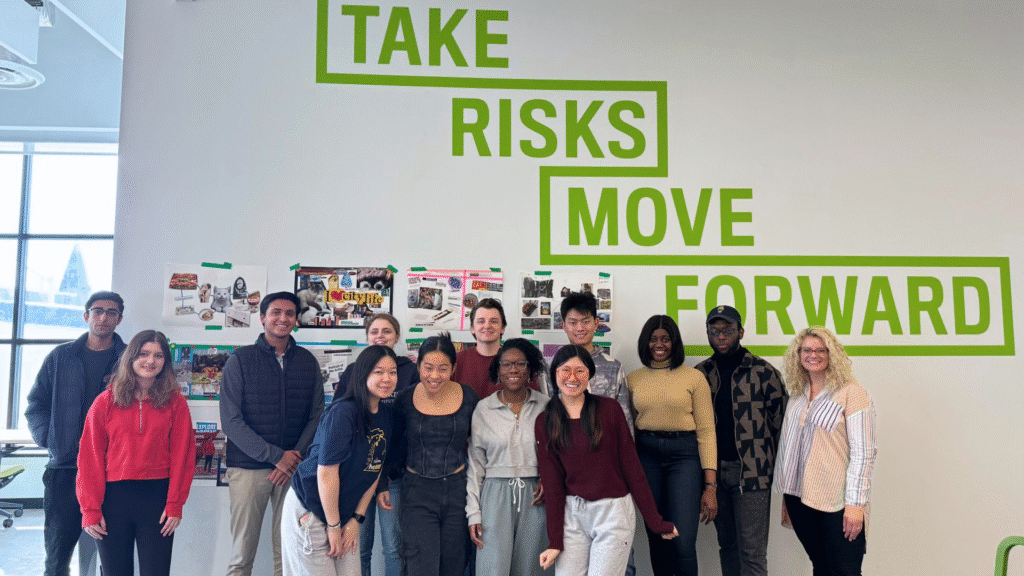
For alumni, founders, or industry leaders who may be considering mentorship, what would you tell them about the impact they can have through the Pava Center?
Regardless of what industry you are in or the journey you are on, the whole reason why we get involved with entrepreneurship in the first place is because we believe that there is a critical change that must exist. At Hopkins, the Pava Center has become the place where those changes get a shot at becoming reality.
It is through mentorship and sharing of experience that we can help set students up for success, maybe not on that first venture idea, but we help them develop the tools and the skills they need to bring innovations into the world. The Pava Center is the place, but it’s the people that fill its whiteboards, that give their time, that share their stories, who are making a lasting impact.
We’re still in the early days of this incredible place, and there’s nothing more rewarding than building alongside others who share in your dreams of how the world should be.